Are There Any Home Remedies or Self-Care Tips for Managing TMD Symptoms?
es, there are several self-care practices that can help manage the symptoms of TMD:
- Eat Soft Foods: Soft or blended foods can reduce the strain on your jaw.
- Avoid Extreme Jaw Movements: Limit wide yawning, loud singing, and chewing gum to decrease stress on the joints.
- Apply Ice or Heat: Ice packs can reduce inflammation, while heat packs can help relax the muscles and improve blood flow.
- Gentle Jaw Exercises: Gentle stretching and relaxing exercises can help increase jaw mobility and decrease pain.
- Practice Good Posture: Keep your neck straight and your shoulders back to reduce neck and jaw strain.
However, the more severe your case of TMD is, the more likely you are to need treatment to attain relief.
How Long Does It Take to See Improvements After Starting Treatment for TMD?
The duration before noticeable improvements can vary depending on the severity of the condition and the treatment approach. Some patients experience relief after a few weeks of conservative treatment, such as medication and physical therapy, while others may require longer periods if more intensive treatments like occlusal adjustments or surgery are necessary. Dr. Ania will monitor your progress closely and adjust treatments as needed to optimize your recovery.
What Should I Do if I Suspect I Have TMD?
If you suspect you have TMD, it is important to seek professional advice. Avoid self-diagnosing, as it might lead to inappropriate treatments that could exacerbate the problem. Schedule an appointment with Dr. Ania, who will evaluate your symptoms and recommend the most effective treatment options for your specific condition.
Is TMD Treatment Covered by Insurance?
Coverage for TMD treatment varies widely between insurance providers and plans. Our clinic staff is experienced in dealing with insurance queries and can help you understand your coverage details. We recommend contacting your insurance provider directly to confirm what treatments are covered under your plan. Additionally, our clinic can provide necessary documentation and support to assist with your insurance claims.
Can TMD Symptoms Come and Go Over Time?
Yes, TMD symptoms can fluctuate over time. Many people experience periods where discomfort improves or even disappears, followed by flare-ups triggered by stress, jaw overuse, or changes in bite alignment. Factors like poor sleep, illness, or increased muscle tension can also contribute to recurring symptoms.
Because TMD often involves muscles and joint function rather than a single fixed issue, it may not follow a predictable pattern. Even if symptoms subside, the underlying cause may still be present. This is why ongoing evaluation and management are important, especially if symptoms return or become more frequent or severe.
Is TMD More Common in Certain Age Groups or Genders?
TMD is most commonly seen in adults between the ages of 20 and 50. However, it can affect people of any age.
TMD tends to occur more frequently in women than men, possibly due to hormonal influences, differences in joint structure, or higher rates of stress-related muscle tension. Some research also suggests that women may be more likely to seek care for facial pain or jaw issues.
While less common in children, TMD can still develop early, especially in cases involving injury, orthodontic issues, or habits like teeth grinding. Early identification can help reduce the likelihood of long-term complications.
Can Stress or Anxiety Make TMD Symptoms Worse?
Stress and anxiety are strongly linked to worsening TMD symptoms. When a person is under stress, they may unconsciously clench their jaw, tighten facial muscles, or grind their teeth—often without realizing it. This added strain can increase inflammation and discomfort in the temporomandibular joint and surrounding muscles.
Emotional stress can also lower pain tolerance, making symptoms feel more intense. Over time, this cycle can lead to more frequent headaches, jaw soreness, and limited movement.
Managing stress with relaxation techniques, physical activity, or professional support can play an important role in reducing symptom severity.
How Does Teeth Grinding at Night Affect TMD?
Teeth grinding places significant pressure on the jaw joint and nearby muscles.
During sleep, this grinding can occur for extended periods without awareness, leading to muscle fatigue, inflammation, and joint strain. Over time, this repeated stress can worsen TMD symptoms, including jaw pain, stiffness, headaches, and worn or sensitive teeth. Nighttime grinding may also disrupt proper jaw alignment, further contributing to dysfunction.
Addressing bruxism—often with a custom night guard or other therapies—can help reduce strain on the joint and support more stable, comfortable jaw function.
Can TMD Cause Hearing Changes or Ringing in the Ears (Tinnitus)?
Yes, TMD can sometimes be associated with ear-related symptoms such as ringing (tinnitus), a feeling of fullness, or even mild hearing changes.
The temporomandibular joint is close to the ear, and the muscles and nerves in this area are closely connected. When the joint or surrounding muscles are inflamed or misaligned, it can affect nearby structures, leading to these sensations.
While TMD is not always the direct cause of tinnitus, many patients notice improvement in ear symptoms when their jaw condition is treated. A thorough evaluation can help determine whether TMD is contributing to these issues.

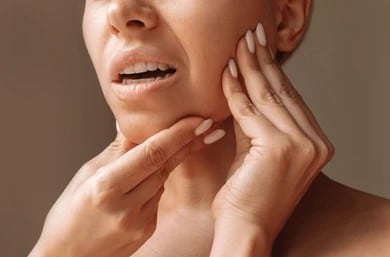 When the harmony of the teeth, muscles, and temporomandibular joint no longer exists, symptoms of what has been identified as TMJ/TMD arise. Neuromuscular dentistry focuses on the dynamic relationships related to the physiologic range of motion and body posture. Physiologic resting position and body posture are often overlooked, yet must be considered as an important part of the whole dental system.
 TMD treatment typically begins with conservative, non-invasive approaches focused on relieving discomfort and improving jaw function. Lifestyle modifications—such as stress management, posture correction, and avoiding excessive jaw movement—can play an important role in reducing flare-ups. Physical therapy may also be recommended to strengthen and relax the jaw muscles while improving mobility.